
Sesame Seeds (Til)
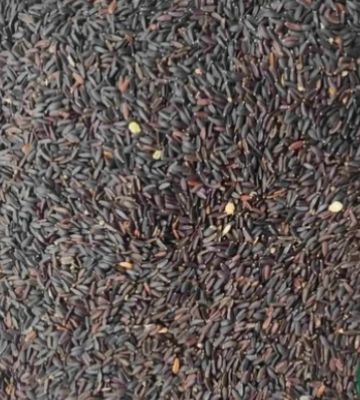
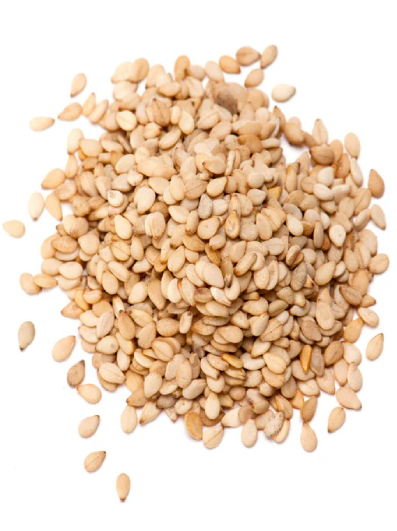
Sesame Seeds, commonly known as Til (Sesamum indicum), are tiny oil-rich seeds valued for their nutty flavor and exceptional nutritional benefits. Completely natural and chemical-free, they are widely used in traditional Indian cooking, baking, confectionery, and health foods. These versatile seeds are available in both white and black varieties and are commonly used in sweets like laddoos, chikkis, and various savory dishes.
Rich in healthy fats, protein, calcium, fiber, and essential minerals, sesame seeds support heart health, strengthen bones, and aid digestion. Known for their natural energy-boosting properties, they are a staple in Ayurvedic and modern diets alike. Whether used in daily cooking, snacks, or nutritional blends, sesame seeds offer a wholesome and flavorful addition to health-conscious lifestyles and traditional culinary practices.
Sesame Seeds (Til) – Tiny Seeds Packed with Nutrition & Flavor
Sesame Seeds, commonly known as Til (Sesamum indicum), are tiny oil-rich seeds valued for their nutty flavor and exceptional nutritional benefits. Completely natural and chemical-free, they are widely used in traditional Indian cooking, confectionery, bakery products, and health foods. Their rich taste and crunchy texture make them a staple in sweets like laddoos, chikkis, and various savory dishes.
Available Varieties:
- White Sesame Seeds
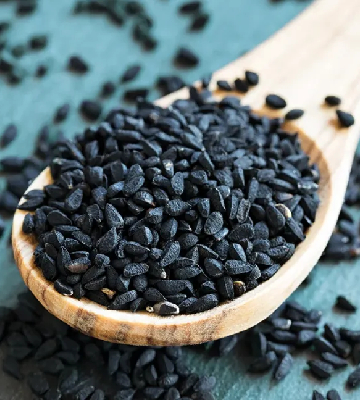
- Black Sesame Seeds
- Natural Sesame Seeds
- Hulled Sesame Seeds
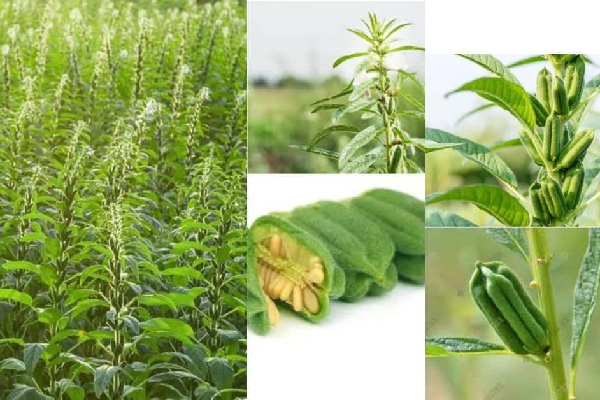

Origin & History
Sesame seeds are among the oldest cultivated oilseeds in the world, with origins tracing back to ancient India and Africa. Used for thousands of years in traditional cuisines and Ayurvedic practices, sesame was prized for its long shelf life, rich oil content, and medicinal properties. Over time, it became a global ingredient used in cooking oils, bakery items, and health foods.
Culinary Uses of Sesame Seeds
- Used in traditional sweets like til laddoo and chikki.
- Sprinkled over breads, buns, and bakery products.
- Added to salads, stir-fries, and Asian cuisines.
- Pressed to extract nutritious sesame oil.
- Used in tahini, spice blends, and health snacks.
Health Benefits of Sesame Seeds
- Rich in healthy fats, protein, and dietary fiber.
- Excellent source of calcium and bone-strengthening minerals.
- Supports heart health and cholesterol balance.
- Boosts energy and metabolism naturally.
- Contains antioxidants that promote overall wellness.
How to Store Sesame Seeds
Store sesame seeds in a cool, dry, airtight container away from moisture and sunlight. Proper storage helps preserve their natural oils, flavor, and nutritional value for up to 12 months.
Conclusion
Sesame Seeds (Til) are small yet powerful superfoods packed with flavor and nutrition. Whether used in sweets, savory dishes, oils, or health blends, they offer a perfect balance of taste and wellness, making them an essential ingredient in both traditional and modern kitchens.